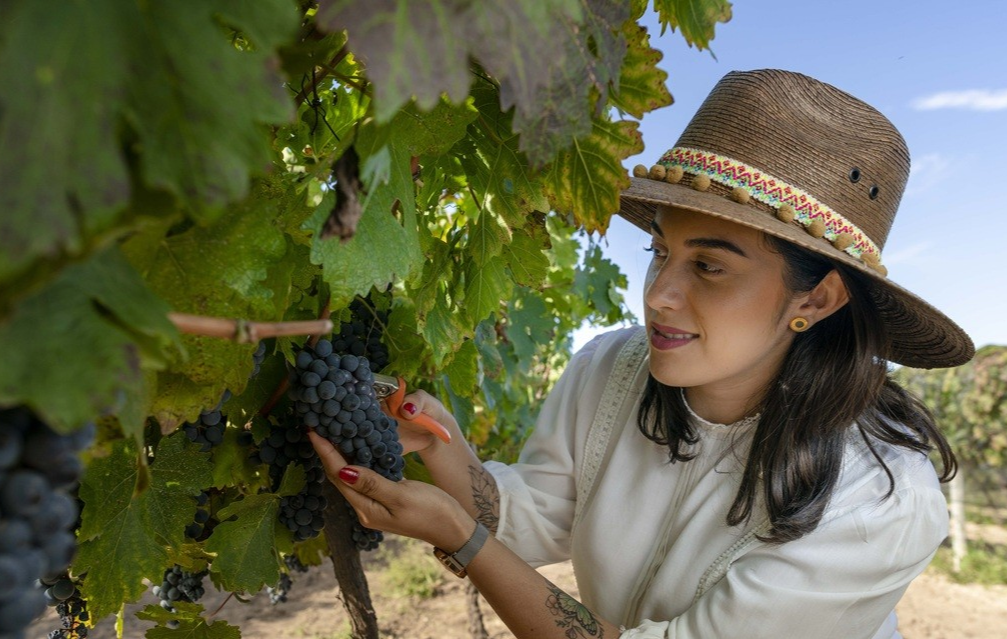

A zoning study of the Querétaro Wine Region contributed to obtaining the Protected Geographical Indication (PGI), a study conducted by Arkansas State University Querétaro-Elisia Education Hub and the Technical Committee of the Querétaro Wine Cluster.
The state of Querétaro has solidified its position as a national pioneer in obtaining the Protected Geographical Indication (PGI) designation, awarded by the Mexican Institute of Industrial Property (IMPI). This brings it even closer to the world’s most important wine regions, such as Rioja, Bordeaux, and Champagne, due to the high quality of its wines.
This was reported by Dr. María de la Soledad del Río Álvarez, an academic and researcher at Arkansas State University, Querétaro campus, and part of the Elisia Education Hub. Dr. del Río Álvarez was the expert who led the Zoning Study of the Querétaro Wine Region, which played a decisive role in obtaining the geographical indication.
The study consisted of a technical and scientific investigation conducted by Arkansas State University’s Querétaro campus in coordination with the Querétaro Wine Cluster. This investigation characterized and defined the geographic, climatic, and soil conditions of the Querétaro wine region.
Dr. Del Río Álvarez explained that the study allowed researchers to understand the state’s winemaking potential, identify the conditions that make the region ideal for producing high-quality wine, and establish a scientific basis to support its legal and commercial recognition through the Protected Geographical Indication.
“An analysis of climate, humidity, soils, and topography was carried out. Meteorological data, physical and chemical analyses of soils, slope maps, altitude, and microclimates were collected. This data allowed us to identify how natural conditions influence vine growth,” the expert explained.
” She also detailed that the research included agronomic zoning; that is, the study sought to classify and divide the region into subzones according to their suitability for different grape varieties, based on specific environmental characteristics.
She said that by evaluating climate and soil data, they determined which grape varieties are best adapted and where they should be cultivated within the region to optimize quality and yield.
“The study provided the technical support and scientific basis for requesting and obtaining the Protected Geographical Indication for Wines from the Querétaro Wine Region, and it allowed us to demonstrate that the region’s wines have unique characteristics linked to their geographical origin,” she explained.
The professor from Arkansas State University’s Querétaro campus asserted that in other countries it is common to speak of wine regions, such as La Rioja in Spain; Bordeaux and Champagne in France have been recognized, and now Mexico has its first wine region officially designated as the “Wines of the Querétaro Wine Region.” This allows consumers to identify top-quality wines that have received numerous international awards and are recognized by an authority, making Querétaro a pioneering state in this area.
The Zoning Study of the Querétaro Wine Region helped to better understand the soil, its characteristics, the climate, and its impact on production. The goal was to optimize production by understanding the terroir and the best grape varieties for each region, the specialist concluded.

Source: expreso