The year 2026 places Querétaro at a crucial crossroads: consolidating its economic dynamism without irreversibly compromising its natural capital. Rapid urban, industrial, and population growth has generated environmental pressures that can no longer be considered future problems, but rather immediate challenges demanding structural, comprehensive, and sustained responses.
Water remains the primary focus of attention. The overexploitation of aquifers, which supply a significant portion of urban and industrial consumption, has reduced their recharge capacity and increased vulnerability to prolonged droughts. Dependence on water transfer infrastructure, such as Aqueduct II, has bought time, but has not resolved the underlying problem. The water management model is based on the intensive use of the resource, with losses in distribution networks, low utilization of treated water, and a weak culture of water conservation. In 2026, the challenge is no longer just to expand supply, but to manage demand, protect recharge zones, and guarantee equitable access.
Another critical issue is air quality, particularly in the metropolitan area. The increase in the number of vehicles, urban sprawl, and industrial activity have contributed to higher concentrations of pollutants. Moving towards clean public transportation, more compact cities, and effective control of industrial emissions is an urgent task.
Solid waste management also reflects the contradictions of growth. Urban waste generation has increased at a rate exceeding recycling and recovery capacity. While circular economy and waste treatment initiatives exist, their scope remains insufficient. The challenge is to move towards metropolitan-scale policies that reduce final disposal and promote shared responsibility between citizens and businesses.
Finally, the impacts of climate change (intense rains, floods, and periods of drought with extreme heat) highlight the fragility of urban infrastructure and the need for planning with a resilience focus. By 2026, Querétaro faces the challenge of adapting to a more unpredictable climate without exacerbating social inequalities.
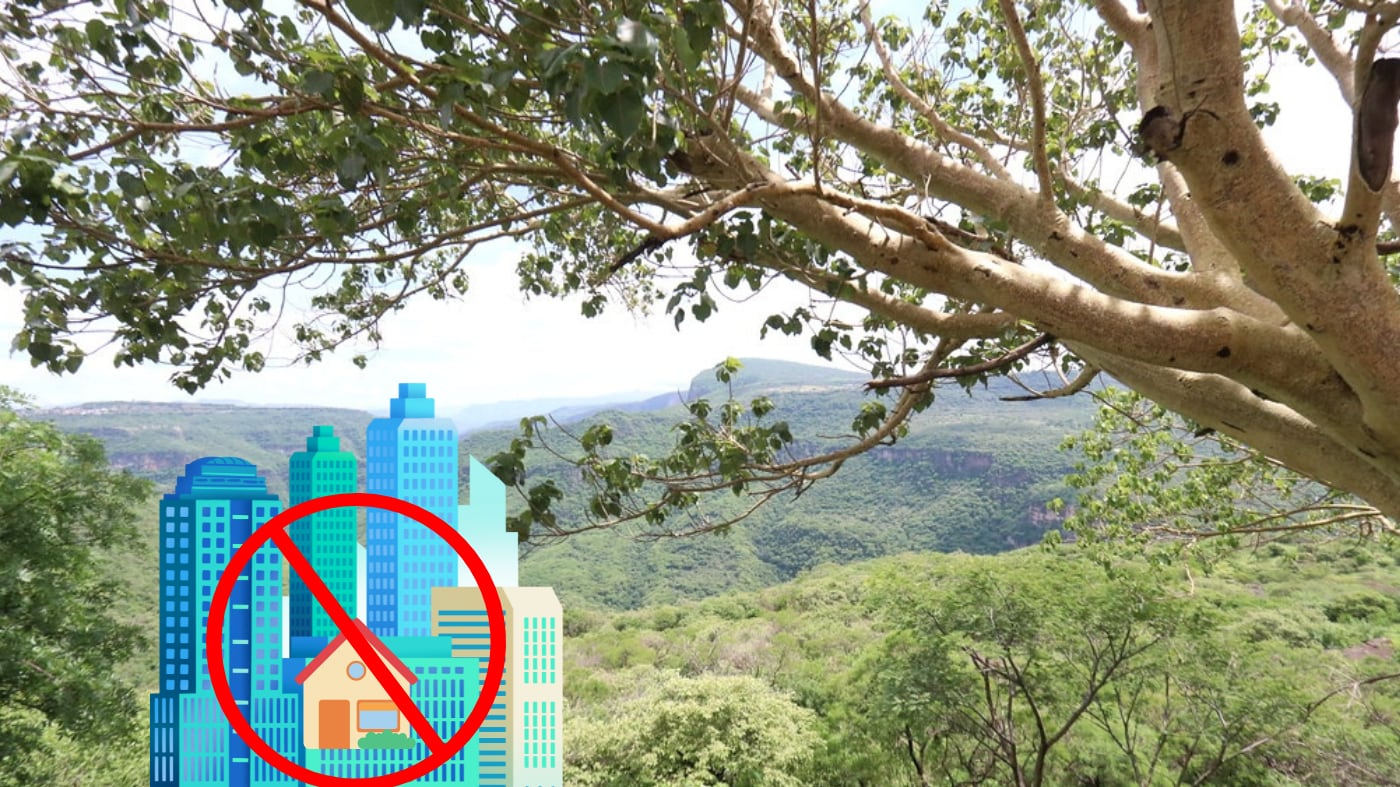
In short, the state’s environmental challenges are not isolated, but rather symptoms of an exhausted development model. These challenges are compounded by those stemming from projects like the Mexico City-Querétaro train, such as land-use planning and ecosystem fragmentation. All of this necessitates a rethinking of the state’s development model based on sustainability, territorial planning, and mitigation of environmental impacts.
Querétaro’s future will depend on its ability to integrate economic growth, social justice, and environmental sustainability into a single long-term vision.
Source: publimetro